Buddhist Pilgrimage: Ultimate Guide to the Buddha’s Holy Places
For many Buddhists, going on a pilgrimage to the sacred places of the Buddha’s life is not just another trip—it is a once-in-a-lifetime journey of faith. It requires time, effort, and resources, but more importantly, it requires the right mindset. The outer journey may take us to ancient temples and serene monasteries, but the inner journey transforms our heart and mind.
Pilgrimage: More than Sightseeing
A true pilgrimage is not about collecting photographs or ticking off destinations. It is about cultivating reverence, reflection, and mindfulness. The Buddha himself encouraged his followers to visit four places:
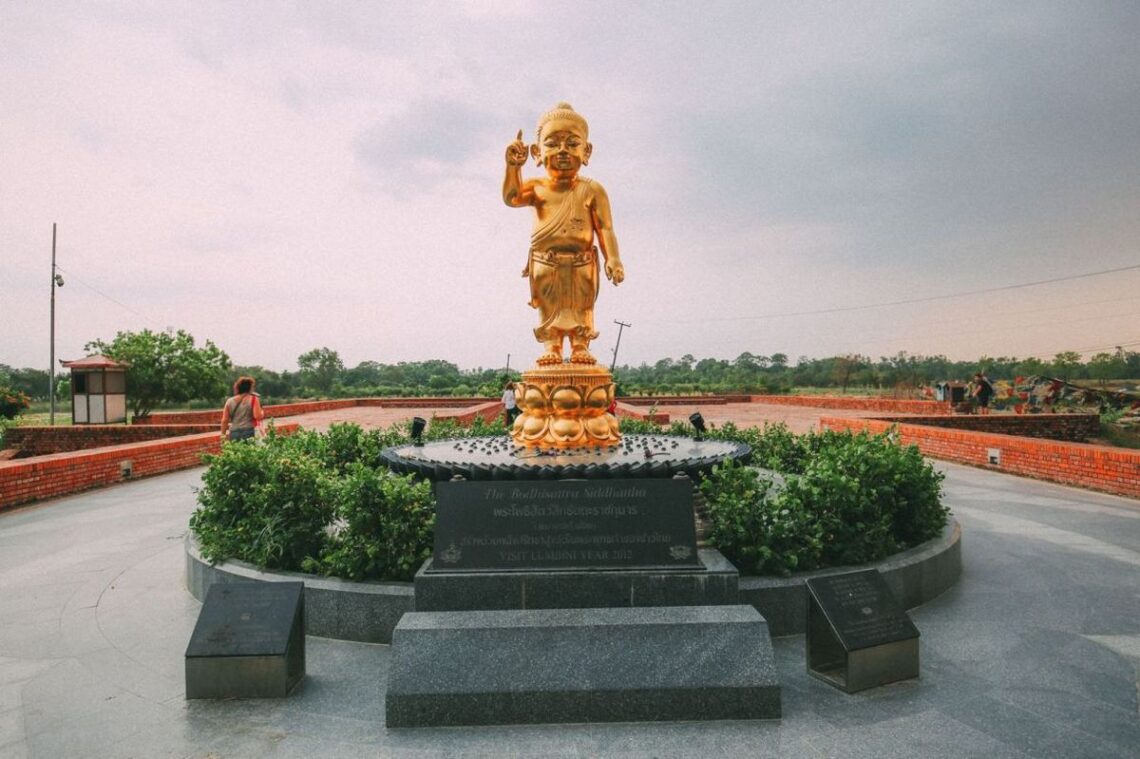
- Lumbini, where he was born
- Bodhgaya, where he attained Enlightenment
- Sarnath, where he gave his first sermon
- Kushinagar, where he entered Mahaparinibbana
Visiting these places with a heart of devotion inspires wholesome states of mind. Instead of excitement and craving that tourist spots often bring, these shrines awaken calm, gratitude, and humility.
Traveling Light in Spirit
The journey of pilgrimage is also an act of renunciation. Pilgrims do not look for luxury but find joy in simplicity—basic food, simple lodging, and modest transport. This spirit of contentment allows us to accept difficulties with patience rather than frustration. Even small discomforts, when embraced mindfully, become part of the practice.
Many pilgrims also take this chance to practise dāna (generosity), offering support to monasteries and caretakers of the holy sites. The joy of giving, even in small ways, adds to the merit of the journey.
Pilgrimage as Practice
Each sacred site invites reflection. Standing before the Bodhi Tree or the ruins of Nalanda, we are reminded of impermanence, compassion, and wisdom. These places are not just monuments of the past—they are living reminders of the Buddha’s teaching. Acts of devotion such as offering flowers, lighting lamps, or meditating at the shrines are ways to purify thought, speech, and action.
The memories of these moments do not fade once the trip is over. They can be recalled later in times of difficulty, bringing back peace and strength. In this way, the pilgrimage continues long after we return home.
Preparing for the Journey
Before setting out, pilgrims may ask: When should I go? What should I bring? The best time to travel is between November and February, when the weather in North India and Nepal is cool and comfortable. Carry light clothing for the day, warm layers for the night, and the basics for personal comfort.
But most importantly, prepare the mind. Go with patience, humility, and the readiness to learn. Read about the discourses given at the sites you’ll visit—reflecting on them at the very place where the Buddha once stood can be a powerful experience.
Some Advice for Pilgrims
Suggested Pilgrimage Routes
Route 1: Delhi Circular Route (2–3 Weeks)
- Delhi → Sarnath (Varanasi) → Bodh Gayā → Rājgir → Nālandā → Patna → Vaiśālī → Keshariya → Kusinagara → Lumbinī (Nepal) → Kapilavastu → Sāvatthi (Sravasti) → back to Delhi.
This route is ideal for pilgrims from northern and western India as well as international visitors flying into Delhi. It connects smoothly with both air and rail networks, offering a convenient start for those beginning their pilgrimage in the capital.
The extended version (up to 28 sites) includes additional places such as Sankassa, Sankhyavati, Kosambi, and more—requiring around 4 weeks.
Route 2: Kolkata Circular Route (1–2 Weeks)
Thanks to modern rail and Vande Bharat connections, a convenient route begins and ends at Kolkata:
- Kolkata → Bodh Gayā → Rājgir → Nālandā → Patna → Vaiśālī → Keshariya → Kusinagara → Lumbinī (Nepal) → Kapilavastu → Sāvatthi (Sravasti) → Sarnath (Varanasi) → Bodh Gayā → Kolkata
This route is ideal for pilgrims from eastern India, Bangladesh, and Southeast Asia arriving via Kolkata.
- Travel Mode: Vande Bharat Express trains connect Kolkata–Patna–Varanasi–Gaya smoothly. From Patna, buses and cars are available to Vaiśālī, Rājgir, Nālandā.
- Duration: About 2–3 weeks is comfortable, with short stays in each location.
Best Time to Visit
The ideal months are November to February, with pleasant days and cool nights. Travel before then is difficult due to the monsoon, while March onward brings heat and dust. Vesak in May is beautiful but very hot, especially in Bodhgaya and Sarnath.
🌿 The pilgrimage is both an outer and inner journey. Each mile walked is also a step closer to wisdom and compassion. With the right attitude, every shrine becomes a teacher, every step a meditation, and every memory a source of strength.