Discover Bodhgaya: The Land of Enlightenment
A Place of Awakening
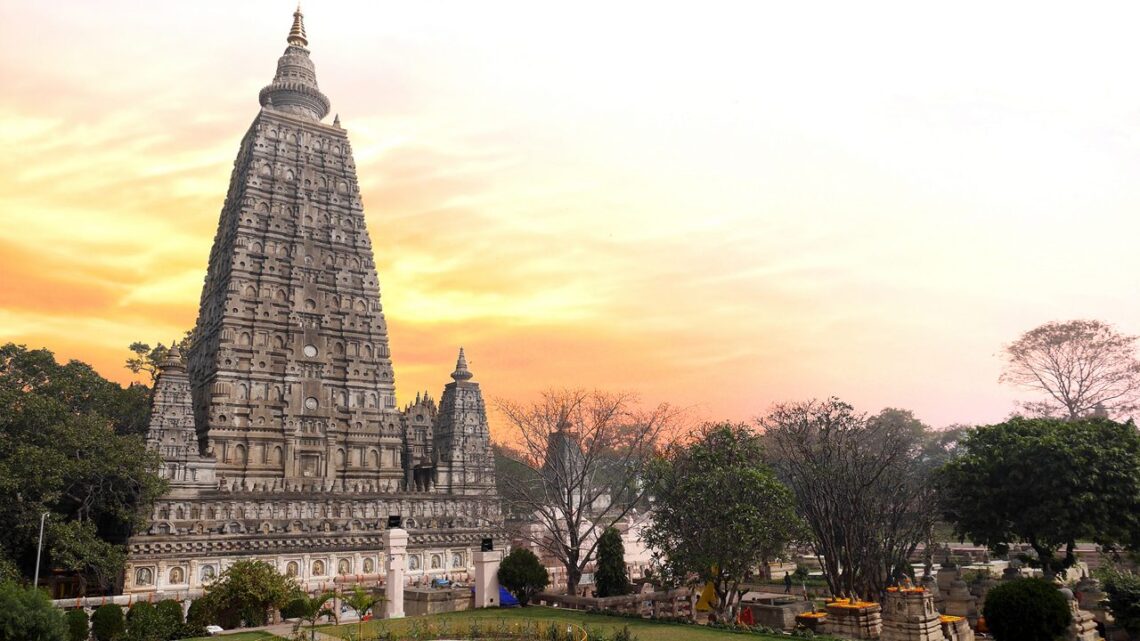
Bodhgaya is the spiritual heart of Buddhism. It is here, under the sacred Bodhi Tree, that Prince Siddhartha attained Enlightenment and became the Buddha—the Awakened One. Today, the Mahabodhi Temple, a UNESCO World Heritage Site, marks that sacred spot and draws pilgrims and visitors from all over the world. The energy here is unique—peaceful, timeless, and deeply inspiring.
For Buddhists, visiting Bodhgaya is not just about sightseeing; it is a profound journey of faith and reflection. Sitting quietly under the Bodhi Tree or walking mindfully around the temple complex, one can feel the same stillness that the Buddha must have experienced more than 2,500 years ago.
Sacred Sites in Bodhgaya
- Mahabodhi Temple Complex – The heart of Bodhgaya, where the Vajrasana (the Diamond Throne) marks the exact spot of Enlightenment. The towering temple structure and the chanting of pilgrims from many countries create a serene, universal atmosphere.
- Mahabodhi Buddha Image – A revered image inside the Mahabodhi Temple, seated in the Earth-touching mudra (gesture). This sacred statue is believed to embody the moment of the Buddha’s Enlightenment and draws thousands of devotees daily.
- The Bodhi Tree – A direct descendant of the original tree under which the Buddha meditated. Pilgrims often sit in meditation here, some for hours, in silence and reverence.
- Chankramana (Cankamana) – the Jewel Walk, where the Buddha meditated while pacing up and down.
- Ratanaghara (Jewel House) – spot where the Buddha meditated for a week, said to have emitted rays of six colors.
- Lotus Pond (Muchalinda Lake) – where Buddha was protected by the serpent king Muchalinda during a storm.
- Sujata Stupa and Village – Located across the river, this marks the spot where Sujata, a village woman, offered milk-rice to Siddhartha, giving him the strength to walk the Middle Path.
- Great Buddha Statue (80-foot) – An imposing stone image of the Buddha in meditation posture, consecrated in 1989. Surrounded by statues of his disciples, it has become one of Bodhgaya’s most iconic landmarks.
- Dungeshwari Caves – About 12 km away, these caves are where Siddhartha practiced severe austerities before realizing that balance, not extremes, leads to liberation.
- International Temples – built by countries like Thailand, Myanmar, Japan, Sri Lanka, Bhutan, Vietnam, Tibet, etc. Each reflects unique architecture and is worth visiting for pilgrims.
Travel Information
By Air:
The nearest airport is Gaya International Airport (12 km from Bodhgaya), with direct connections to Delhi, Kolkata, and several Buddhist countries like Thailand, Sri Lanka, and Bhutan. Another option is Patna Airport (110 km away), well-connected to major Indian cities.
By Train:
The closest railway station is Gaya Junction (17 km). Regular trains connect Gaya to Delhi, Kolkata, Varanasi, and Patna. From the station, taxis and auto-rickshaws are available.
By Road:
Bodhgaya is connected by good highways. From Patna (3–4 hours), Varanasi (6–7 hours), and Kolkata (8–9 hours), buses and taxis are easily available.
Best Time to Visit
The most comfortable season is between November and February. Days are pleasant, while nights and early mornings can be chilly. This is also when Bodhgaya comes alive with international pilgrims. Special ceremonies take place during December–January, including the great prayer gatherings led by monks from across the world.
From March to May, temperatures rise and the heat can be harsh. Monsoon (June–September) brings heavy rains, making travel difficult.
Why Bodhgaya is Special
Bodhgaya is not just another destination—it is the living heart of the Buddha’s journey. Every step you take here is filled with meaning. The chanting of monks, the fragrance of incense, the sound of meditation bells, and the sight of pilgrims from across the globe remind us that the Buddha’s message is truly universal.
For many, a visit here feels like coming home—not to a place, but to an inner space of peace.
✨ Tip for Pilgrims: Carry a light shawl for early mornings, a meditation mat if you wish to sit under the Bodhi Tree, and an open heart ready for stillness.