What is True Love? Meaning, Signs, and How to Know It’s Real
Love is a subject that touches every human heart. From the moment we are born, we seek warmth, affection, and care. Not just humans—even animals and all living beings long for love. It is one of the most universal needs of life. But love is also one of the most misunderstood words. Many people confuse love with attachment, or mistake temporary attraction for something deeper and lasting. So, what is true love?
The Foundation of True Love
At its core, true love is built upon kindness and compassion. It is not simply a feeling of attraction or desire, but a willingness to care for another being’s happiness and well-being. True love is unselfish. It seeks to give rather than to take.
The Buddha was asked – What is the difference between ‘I like you’ and ‘I love you’?
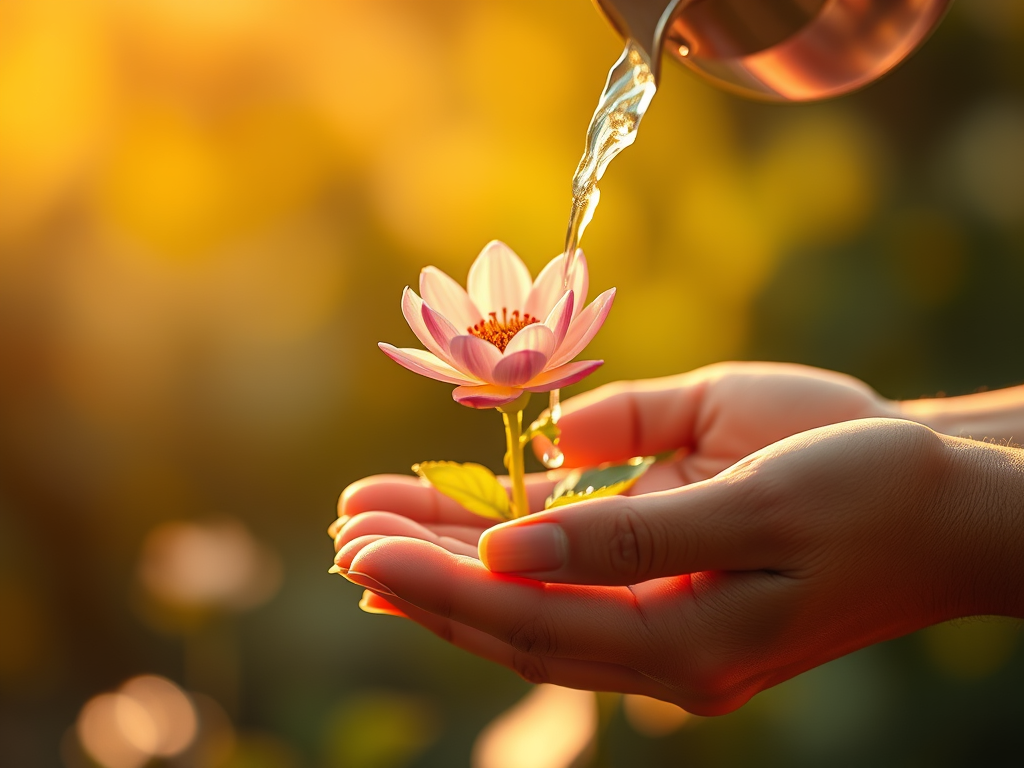
His answer was so beautiful – When you like a flower, you just pluck it. But when you love a flower, you water it daily.
This metaphor beautifully illustrates the heart of love. To “like” something means to seek immediate pleasure, often without thinking of the long-term impact. It is about taking for oneself. But to “love” is different—it is patient, caring, and nurturing. True love is about supporting the growth and happiness of the other, without trying to possess or control.
When we pluck a flower because we like it, its beauty fades quickly in our hands. But when we water a flower out of love, it thrives, blossoms, and continues to share its fragrance with the world. In the same way, true love does not harm or diminish—it protects and helps life to flourish.
True Love vs. Attachment
One of the biggest confusions people have is between true love and attachment. On the surface, they may look similar, but they are very different in essence.
When you truly love someone, you say:
“I want you to be happy—even if that happiness is not always with me.”
But when you are attached, you say:
“Why are you not making me happy?”
Love is based on giving, while attachment is based on taking. Love is rooted in generosity and unselfishness; attachment is rooted in desire and selfishness.
Attachment makes us cling tightly, like holding a rope around a restless bull. The harder we pull, the more we get hurt. But when we let go, we discover peace. True love frees; attachment binds.
Qualities of True Love
True love is not just a feeling; it is a set of noble qualities we cultivate in our hearts. These include:
- Kindness (Metta): Always wishing for the well-being of the other.
- Compassion (Karuna): The ability to feel another’s suffering as one’s own, and to respond with care.
- Patience: The willingness to endure difficulties for the sake of love.
- Selflessness: Placing the happiness of the other above personal gain.
When we love in this way, we are not focused on what we can get, but on what we can give.
The Buddha’s Teaching on Love
The Buddha gave one of the most profound descriptions of love:
“Just as a mother protects her only child, even at the risk of her own life, in the same way, one should cultivate a boundless heart of love toward all beings.”
A mother’s love is the closest example we have of true, unconditional love. Parents do not expect anything in return from their children. Even when children cry, make mistakes, or cause trouble, parents continue to love them and care for them. That love is patient, forgiving, and nurturing.
This is the model the Buddha gave us—not just to love our family or partner, but to extend that same compassion and kindness to all beings, without limits.
Love that Heals, Not Hurts
When we love truly, we are like gardeners who water and nurture a plant, watching it bloom naturally. We do not pluck the flower for momentary pleasure, because that would destroy its life. Instead, we care for it so it can blossom fully.
If we are attached, however, we suffocate the other with expectations. We demand constant attention, constant satisfaction, and when these desires are not met, we suffer. Attachment leads to disappointment because desires are endless and never fully satisfied.
But true love liberates us from this cycle. It teaches us to rejoice in the happiness of others, to share in their sorrows with compassion, and to live with a heart that gives instead of clings.
True love is not about possession, control, or fulfilling our own desires. It is about nurturing, protecting, and giving happiness selflessly. It is patient like a mother’s love, compassionate like the Buddha’s teaching, and generous like the gardener who waters the flower.
So when you love someone, remember:
Do not say, “Why are you not making me happy?”
Instead, say, “I wish for you to be happy. If your happiness includes me, I rejoice. If it does not, I still rejoice.”
That is the path to true love.